Focused application · Grab Omnicommerce

I’m a Senior Product Designer. I take ambiguous problems and ship measurable product outcomes.

Consumer growth, AI interaction, enterprise workflows. This page is the short version. Full case studies live in the portfolio.

Growth & retention AI-native interaction Enterprise workflows 0→1 product thinking
Selected work

Three recent problems, compressed.

Each tab shows the problem and impact. Open one for decisions, evidence and what I learned.

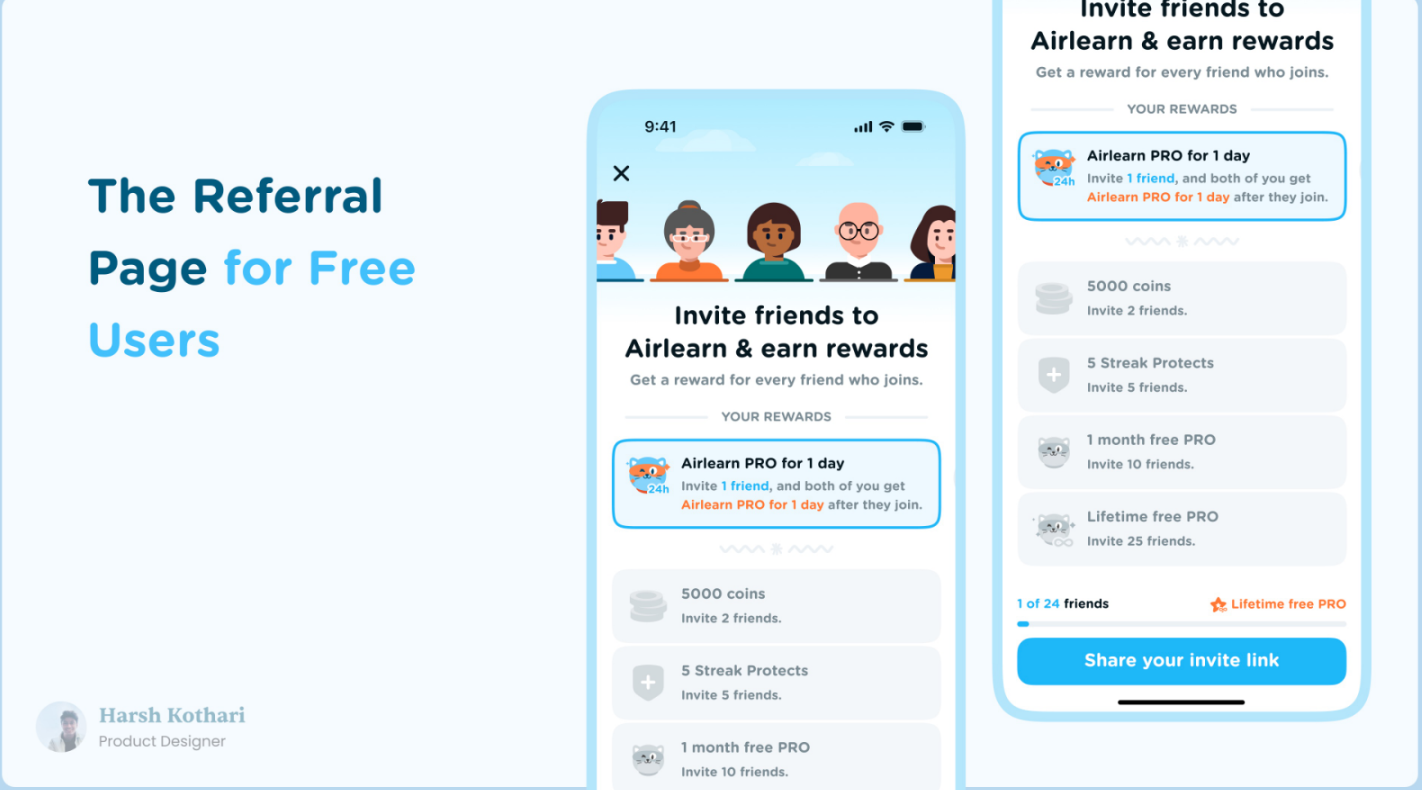
AirlearnFounding Product Designer · 2024

How do you get users past the moment they usually quit?

Problem

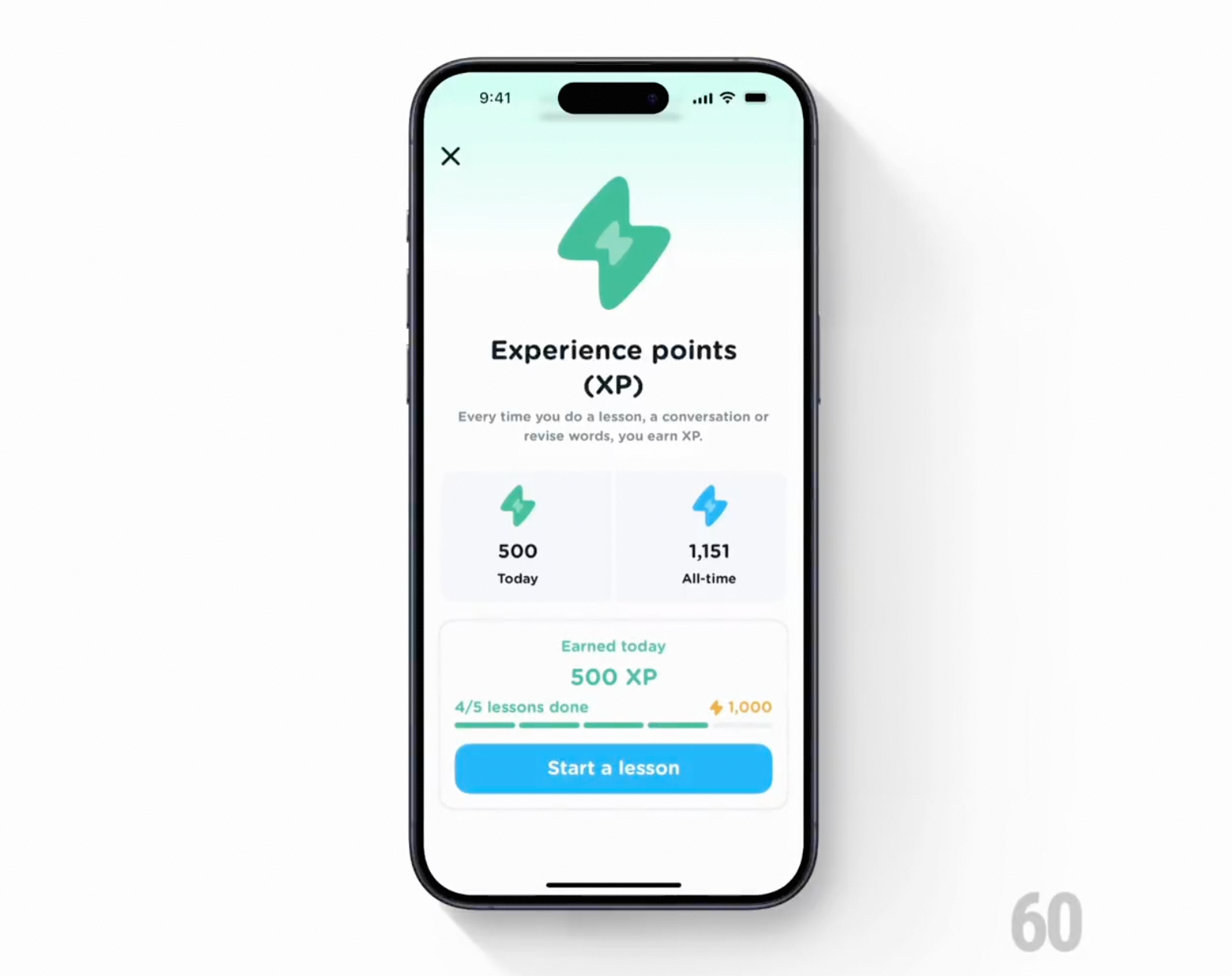
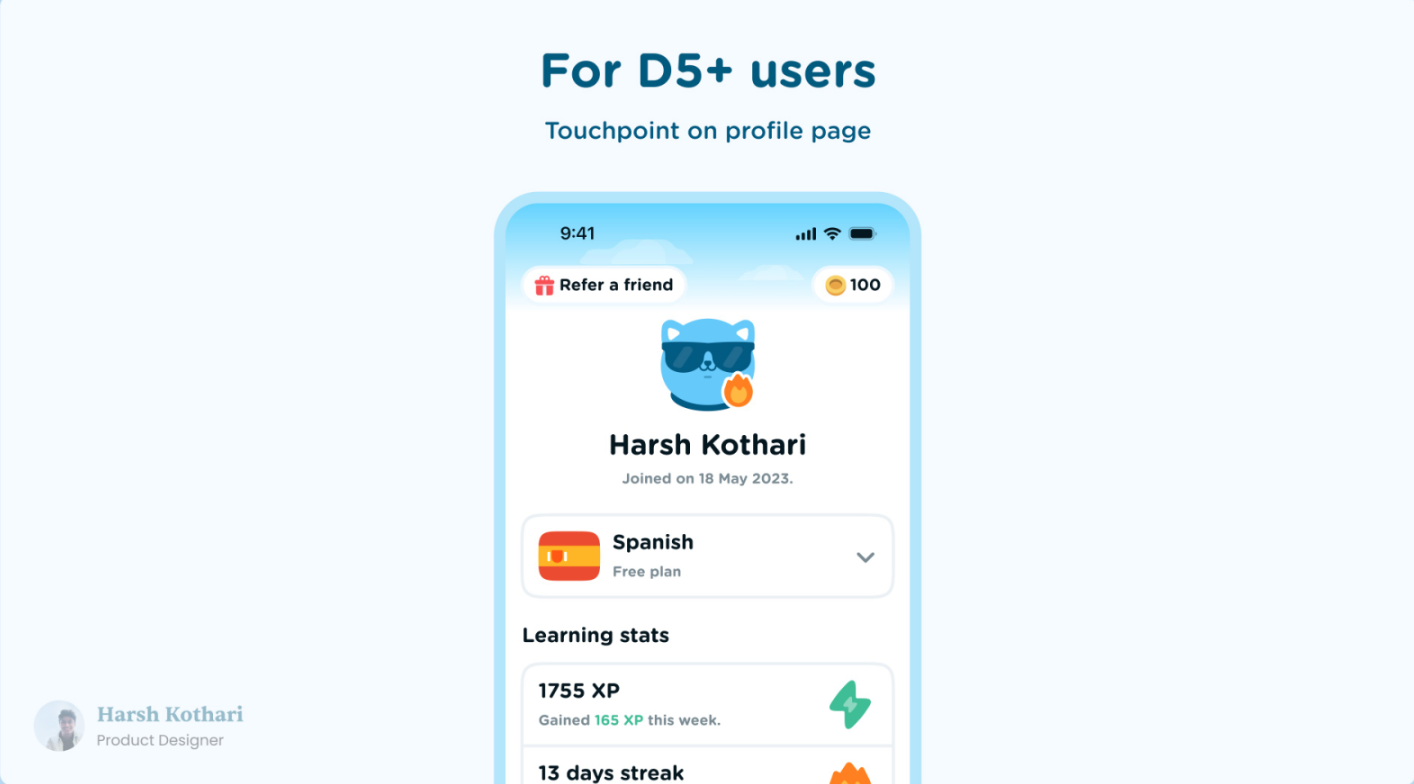
Free users stopped after 2–3 lessons per session. Users who crossed 4 were 3× more likely to return the next day.

Move

Ran behavioural analysis, then redesigned the session loop around XP, ranks, contextual nudges and reward progression.

2.9 → 4.3average lessons completed / session
28% → 39%Day-1 retention
Learning: The retention problem wasn’t content quality. It was helping users cross the behavioural threshold where one more lesson became worth doing.
Read full case study ↗
Mondee / AarnaProduct Designer · 2025

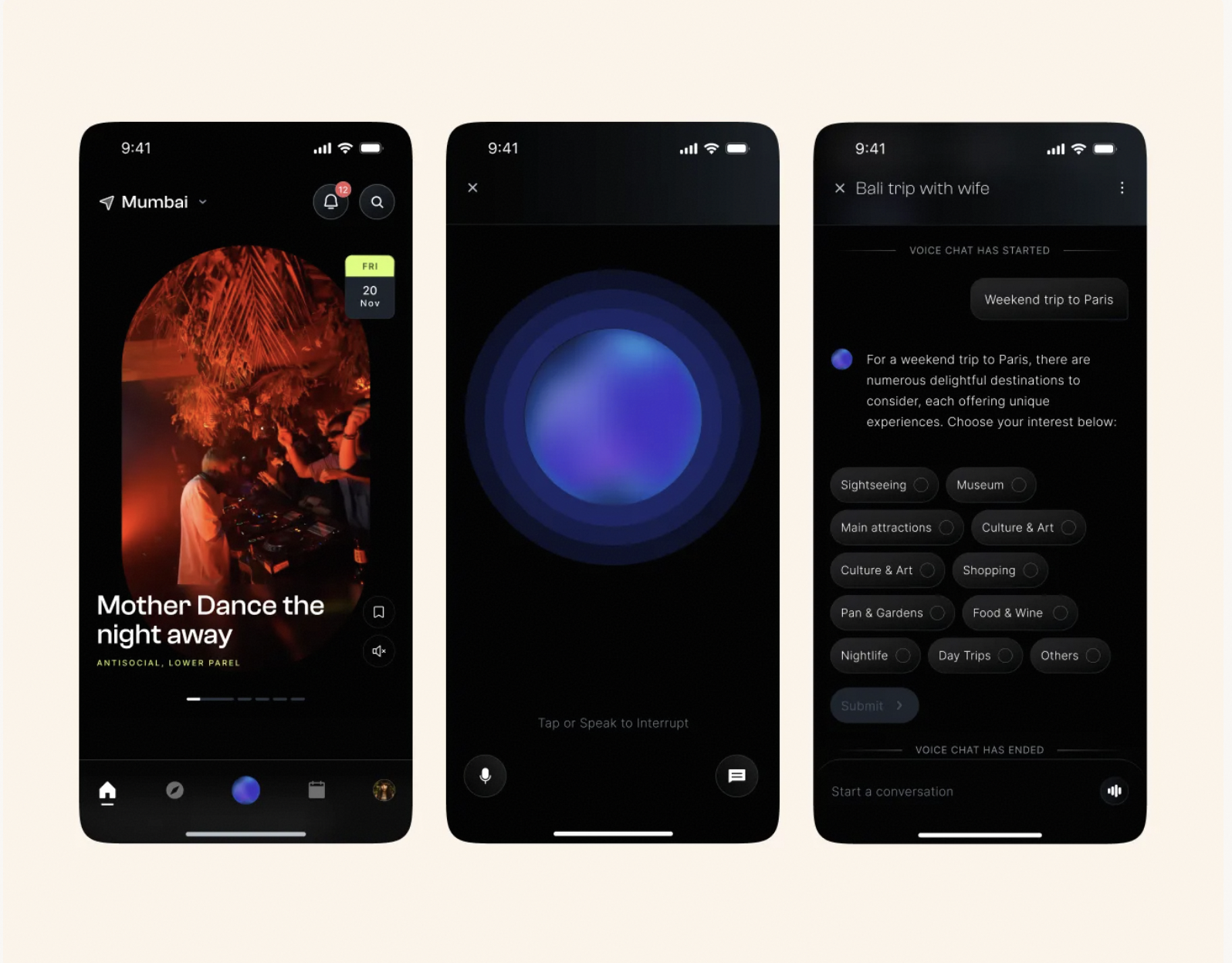
How do you make invisible AI states understandable under engineering constraints?

Problem

Voice AI had four states users couldn’t see. Rive was new and risky for engineering.

Move

Designed the full state system plus a lightweight motion fallback, so clarity didn't depend on Rive shipping.

5 dayscomplete flow designed, animated and handed off
3 of 5usability participants chose voice over touch
Learning: Good interaction design should survive technical compromise. The state model mattered more than the animation technology.
Read full case study ↗
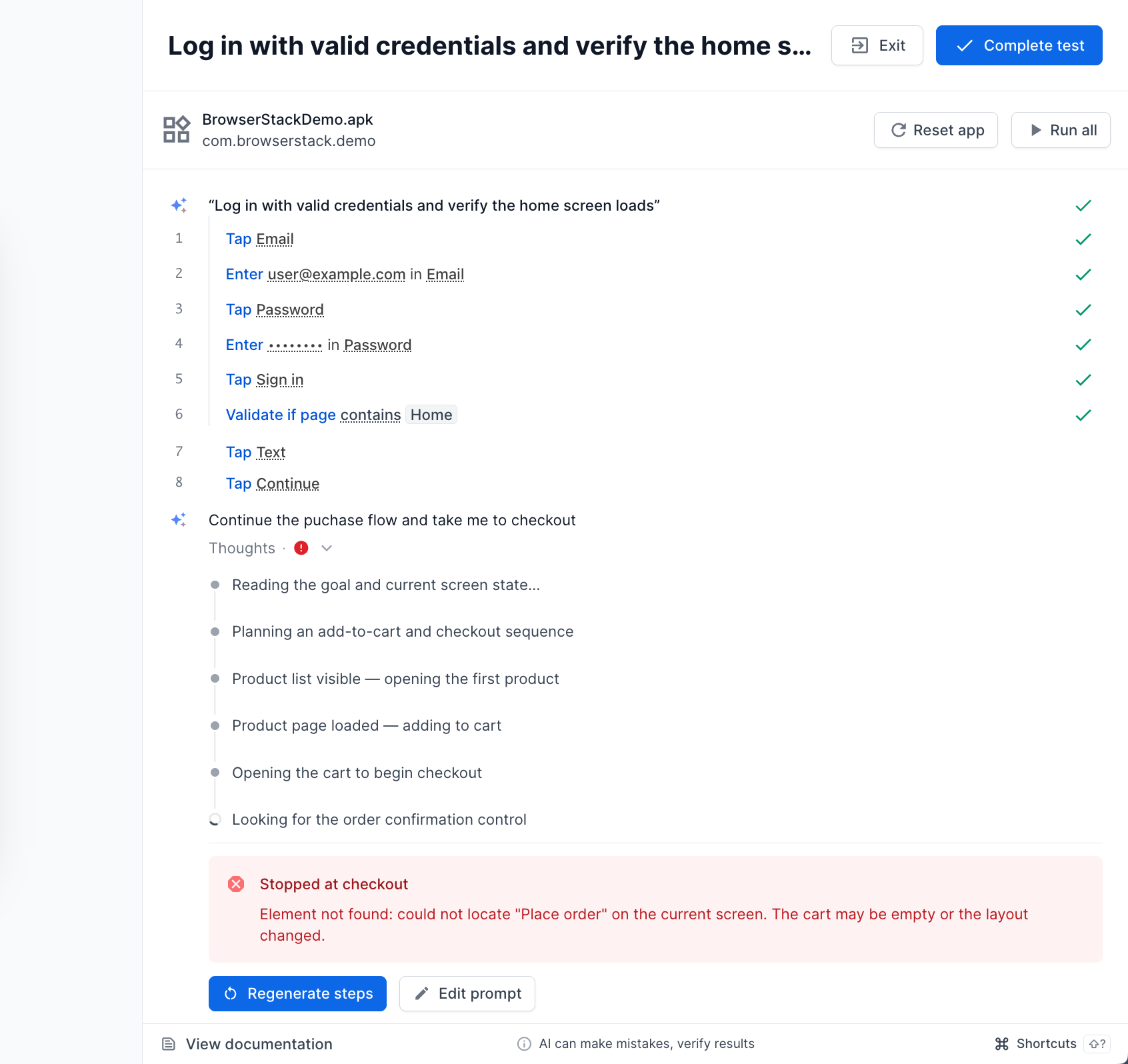
BrowserStack / App LCASenior Product Designer · 2025–26

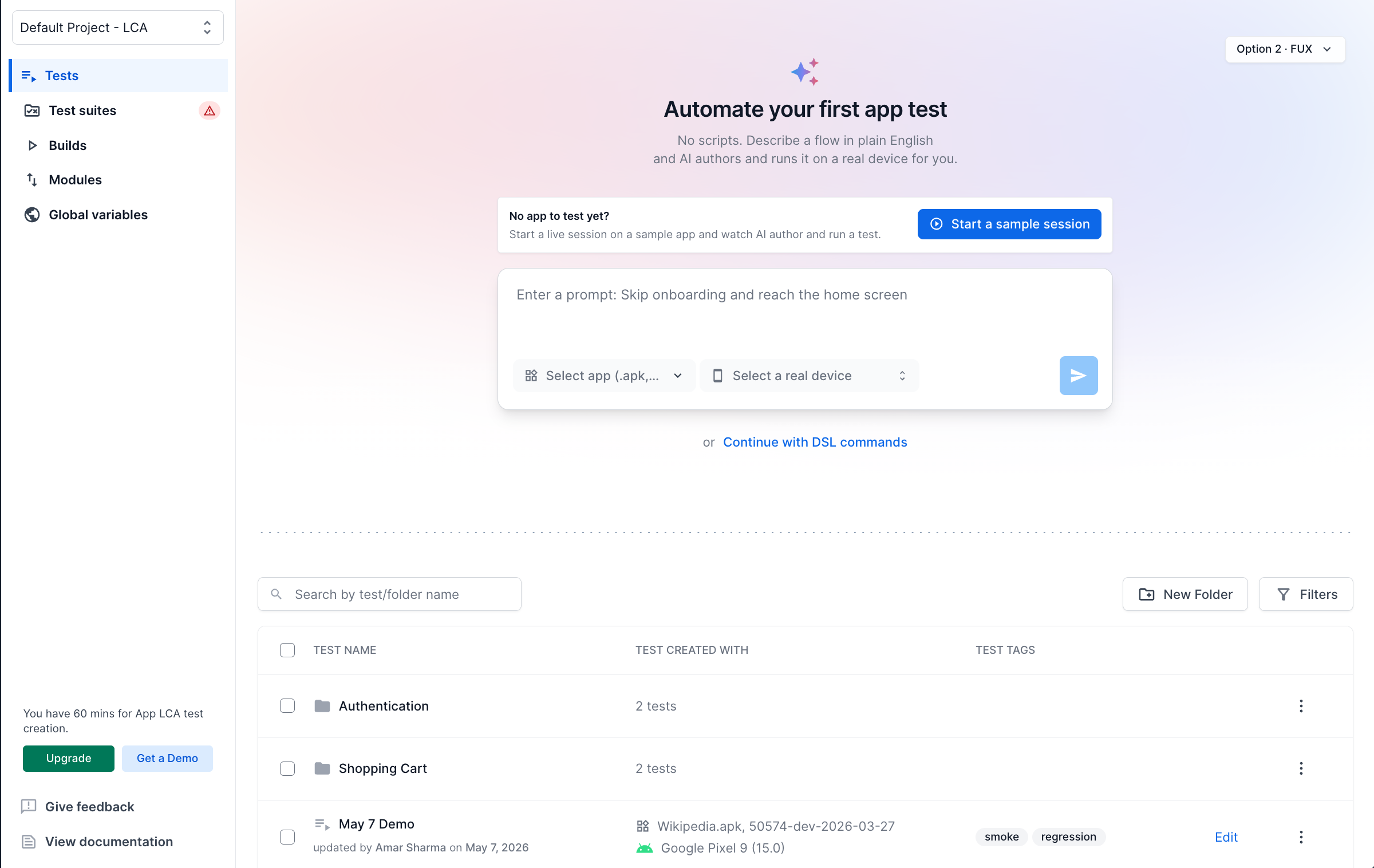
How do you prove setup friction is blocking users from reaching value?

Problem

97 customer groups entered onboarding over ~60 days. 12 reached the first AHA (first DSL execution). The biggest break: a 49% drop at app upload / App Live dependency.

Move

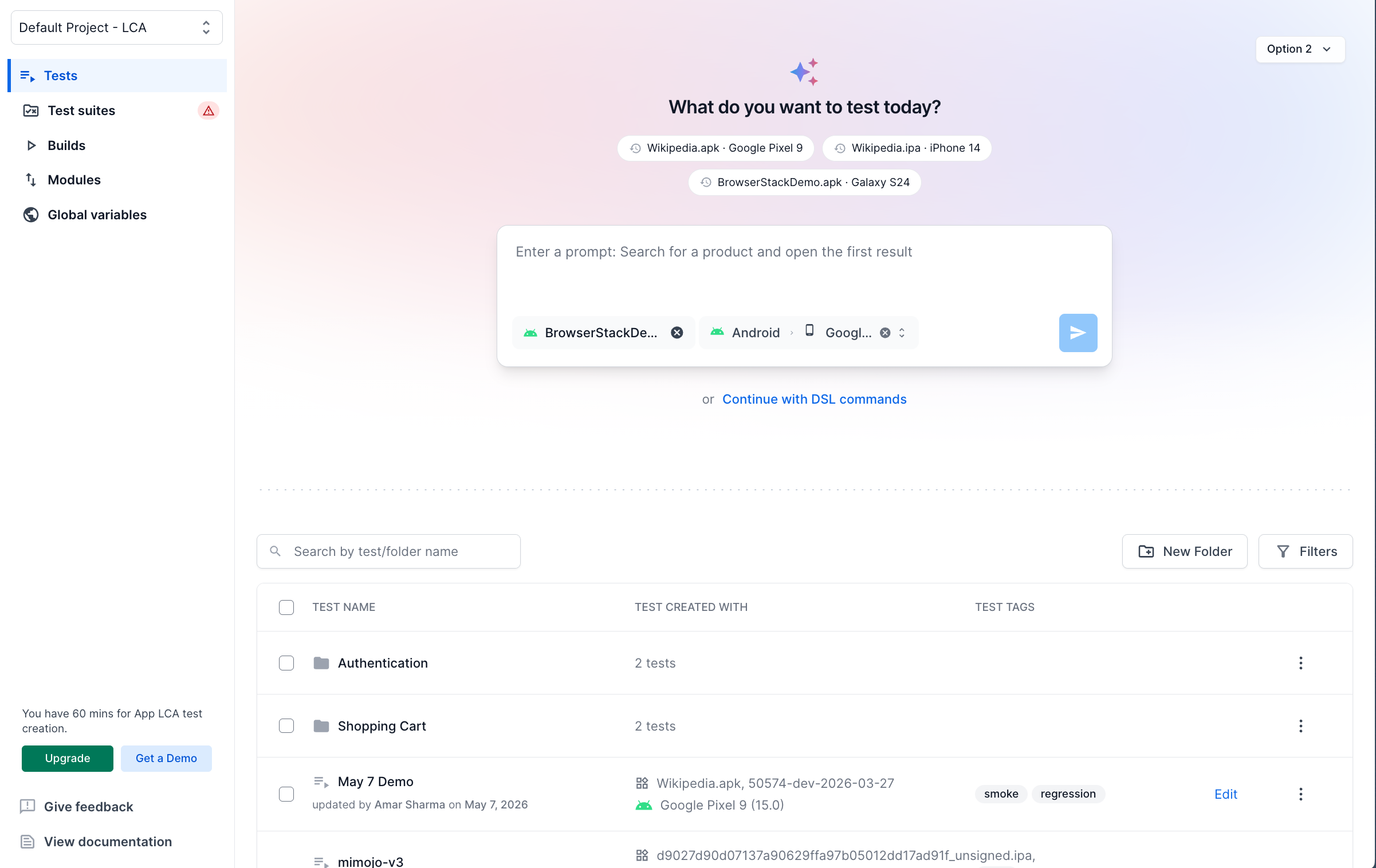
Defined 3 AHA moments, shipped sample apps as the quick fix, then drove an AI-first onboarding and authoring redesign.

97 → 12groups entering funnel → first AHA
49% droplargest single-step loss
~2 mo → ~2 wkseparate customer-blocking P0 shipped
Learning: Users were being asked to complete infrastructure setup before experiencing product value. The redesign focuses on reducing pre-value setup and getting users to an executable test earlier.
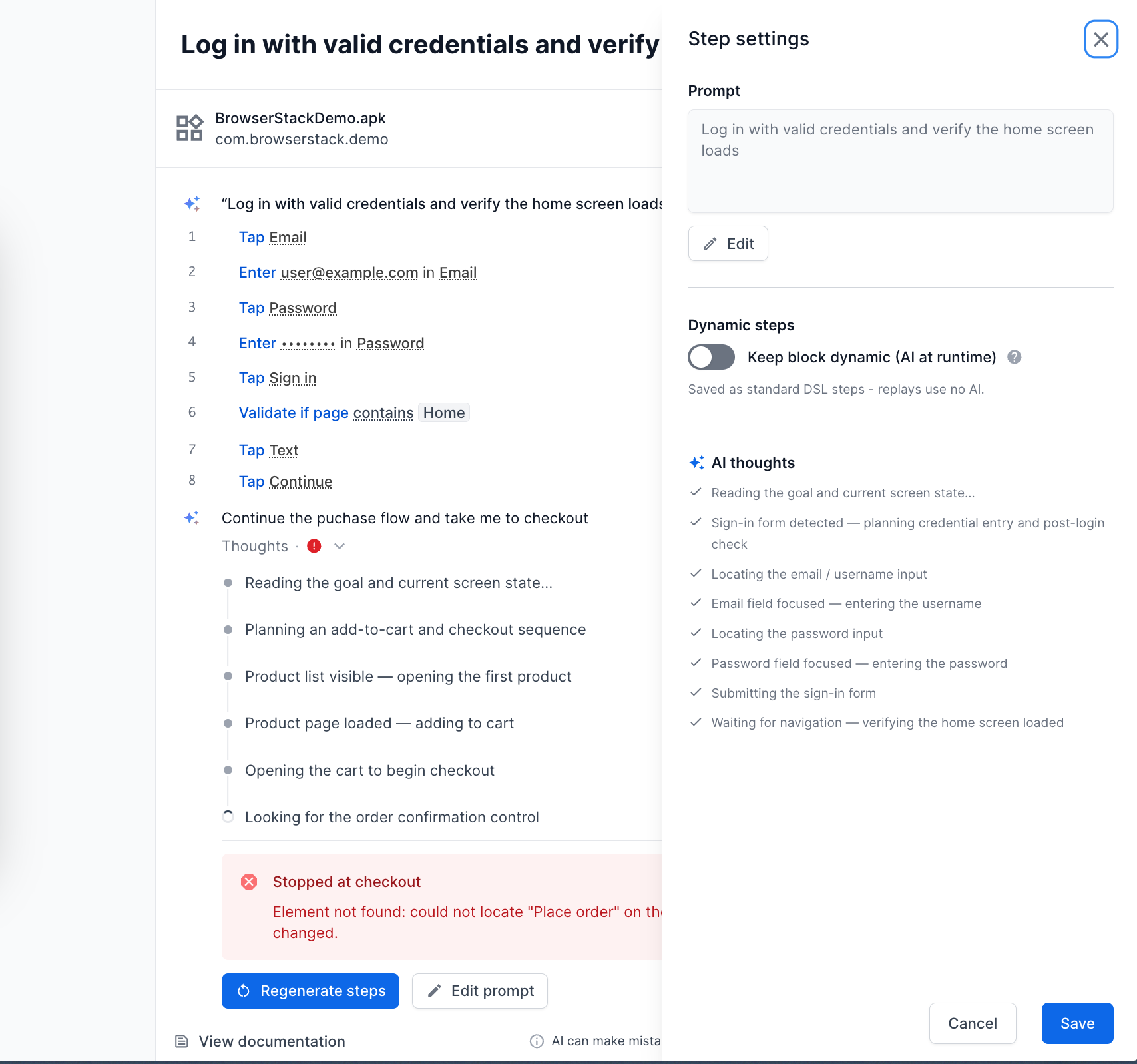
$30Kenterprise deal unblocked via Step Settings
21 users / 14 daysStep Settings adoption with zero onboarding
~2 months → ~2 weeksDDT from problem to production
See BrowserStack work ↗
Founder · Product Designer · Builder

Frim taught me to own the product, not just the pixels.

I framed the problem, decided what not to build, designed it, shipped it, talked to users and changed direction when the data said to.

The three projects above show how I work inside teams. Frim shows what happens when there's no PM, no roadmap and every product call is mine.

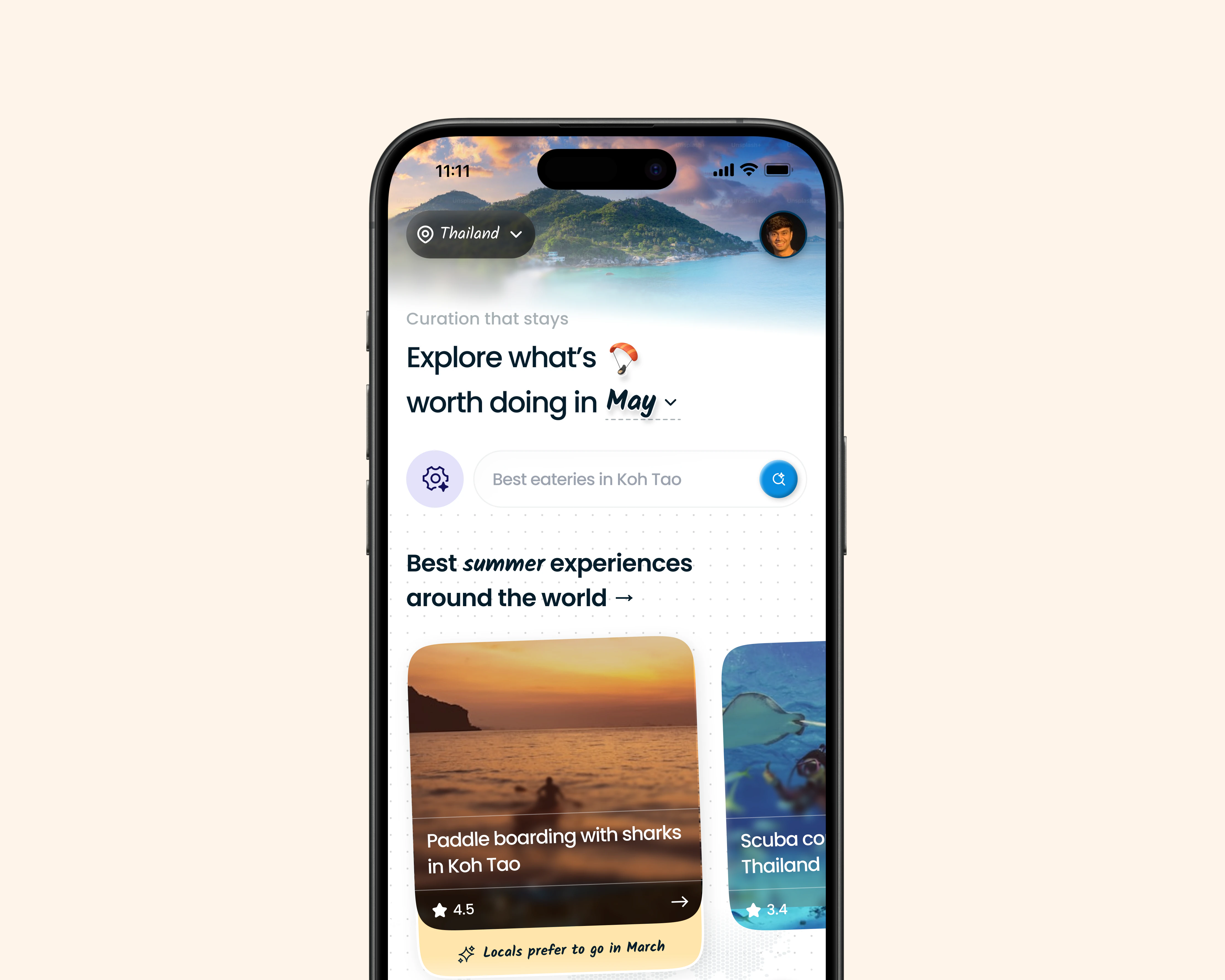
I built a consumer travel app from zero: problem, design, ship, learn, pivot.

01Started broad · AI trip planning, itineraries, travel utilities
02Learned fast · More features made the product harder to explain
03Cut scope · Simplified to one job: preserve the story behind a souvenir
Why this matters for a role like Grab

Dine Out needs someone who can make product calls under ambiguity, not execute a spec. Frim is proof I can do that.

240 users · no paid push 700+ Android 130+ iOS
Grab-specific product exercise
Singapore-first · concept exercise

A simpler Dine Out loop: discover a restaurant, visit, and have a reason to come back.

I picked one problem instead of redesigning Grab: keep the restaurant at the centre of the journey, then connect it to merchant retention.

Illustrative concept · not shipped Grab work
  • Data is guesstimated, not sourced from Grab.
  • Reference points: how Swiggy Dine Out, Dineout and EazyDiner work in India.

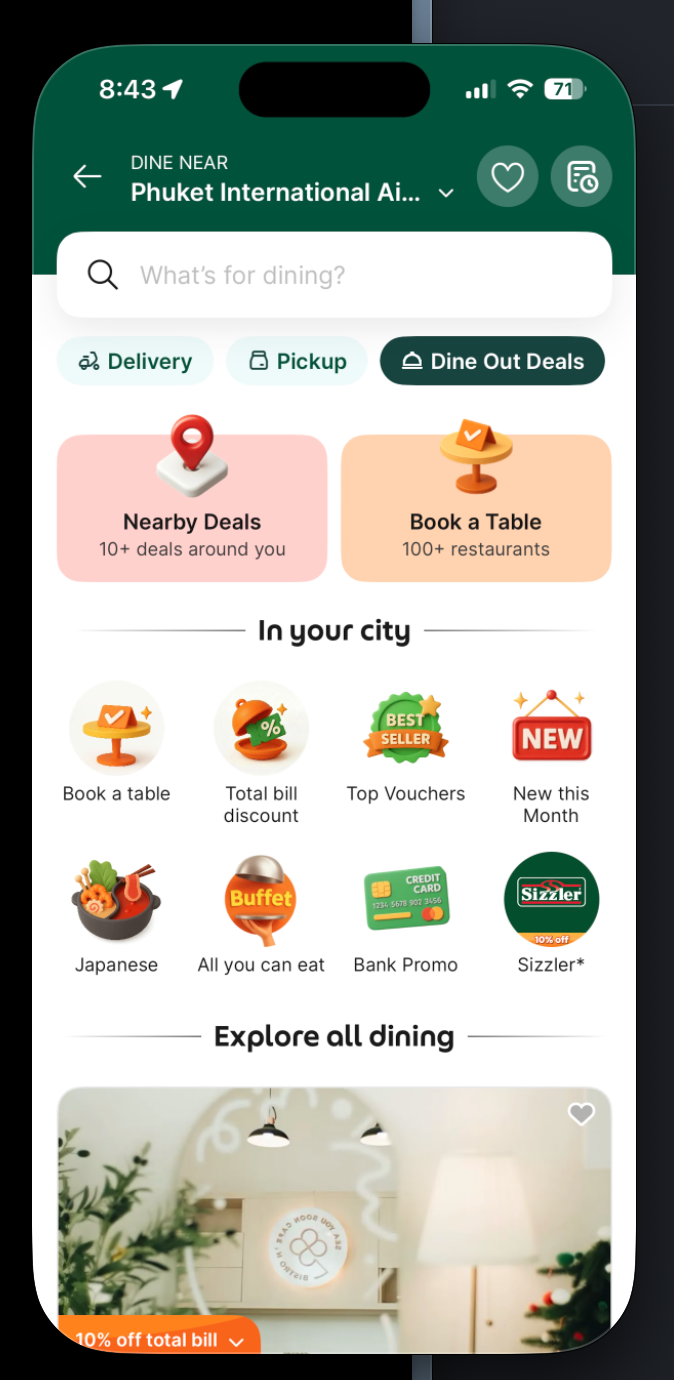
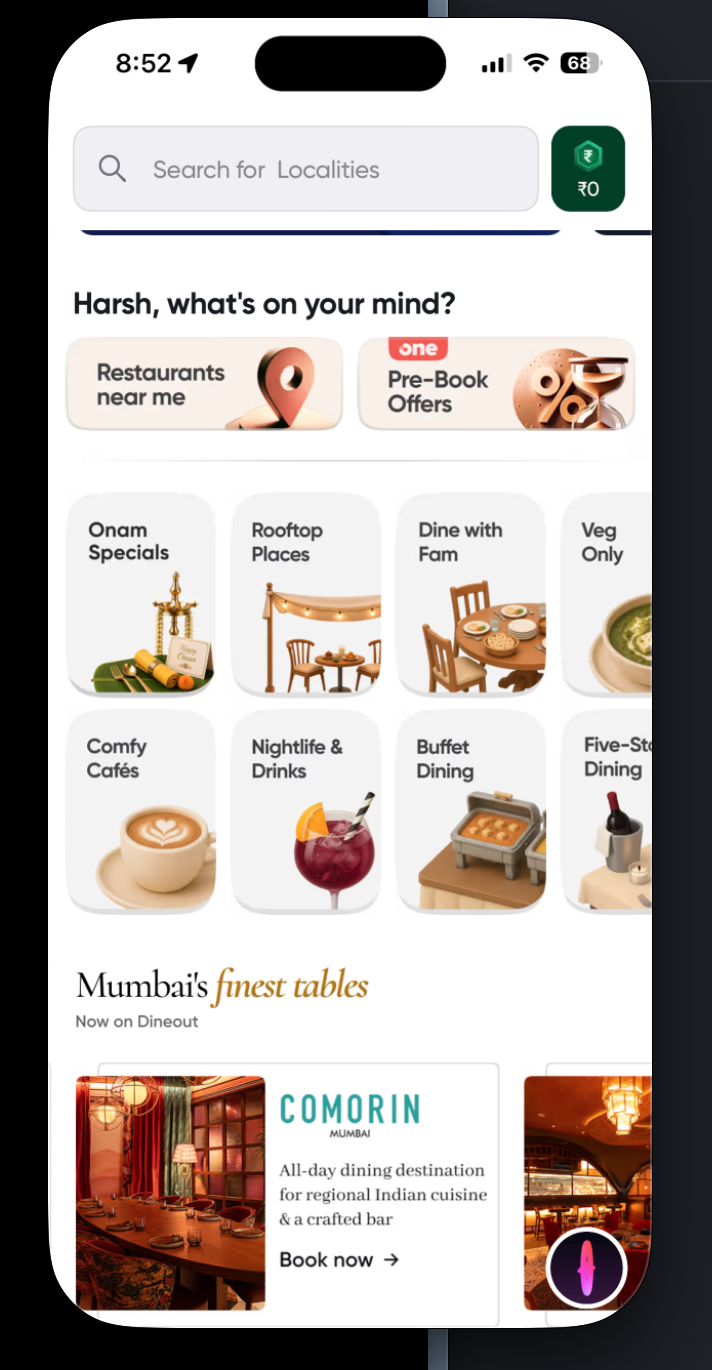
Grab shows product mechanics before dining intent.

Deals, vouchers and reservations are useful. But a diner starts with a simpler question: where should I eat?

Current Grab Dine Out home
Grab todayEntry points are organised around product modes.
Swiggy Dineout home used as a pattern reference
Pattern referenceOccasion and dining intent appear earlier in the journey.
InsightDiners think about the restaurant and the occasion. Booking, offers and payment are actions around that restaurant.

One journey. Two jobs.

DinerHelp me decide where to go without learning Grab's internal modes.
MerchantHelp a first-time diner come back without over-discounting.
DiscoverChooseBook / payReturn

1. Occasion before mechanism.

2. Keep restaurant context persistent.

3. Make repeat value visible, but protect merchant margin.

Start with intent. Stop making the diner rediscover the restaurant.

Four screens. Each answers one question and moves the same restaurant relationship forward.

9:41● ● ●
Dine Out⌁ Singapore
What are you going out for?
Start with the occasion. Refine only when it changes the recommendation.
Date night
Friends & drinks
Family
Brunch
Date night
Tonight
2 people
Near me
Best for you · ~22% value
Sora Rooftop4.7 ★
Modern Asian · 1.4 km · $$
Table at 8:00 PM20% off bill + GrabCoins
15% off total bill
No. 8 Kitchen4.6 ★
European · 2.1 km · $$$
Sora Rooftop
Modern Asian · 1.4 km · 4.7 ★ · $$
Open
Best effective value for you~22%
20% off total bill
+ earn ~450 GrabCoins on this visit
+ your saved payment method is eligible
Why it fits tonight
Date-night fitRooftop · quiet · open lateHigh
Availability7:45 · 8:00 · 8:15 PM3 slots
Menu · Reviews · Photos · About
Dine Out⌁ Singapore
Welcome back

Return to Sora Rooftop

You visited 3 weeks ago. A table is open Friday night and you have a comeback offer.

10% comeback offerFri · 8 PM availableEarn 450 GrabCoins
Dine Out⌁ Singapore
10% off at Sora RooftopValid Fri–Sun

Your personalised comeback offer. Merchant sets the cap; Grab picks the right moment.

After this visit: earn ~450 GrabCoins toward your next dining benefit.
Welcome back
Return to Sora Rooftop
You visited 3 weeks ago. A table is open Friday night and you have a comeback offer.
10% comeback offerFri · 8 PM availableEarn 450 GrabCoins
Book now
This card surfaces on the Dine Out homepage for returning diners.
How the diner gets pulled back
GGRABnow
Sora Rooftop misses you
You have a 10% comeback offer valid this Fri–Sun. A table at 8 PM is open. Tap to book.
Push notification + WhatsApp. Grab picks the channel and timing; merchant sets the spend cap.

Automate repeat growth, not campaign building.

The merchant sets the economics. Grab handles targeting and timing inside those rules.

Merchant controls: max incentive · demand windows · frequency cap
Grab automates: eligible audience · send time · message · incentive within the cap
GrabMerchant
Sora Rooftop · Singapore ▾
Opportunities
Retention automation
Performance
Repeat growth
Last 30 days · example data
First → second visit18.6%baseline
First-time diners126
Repeat GMVS$12.4k
Opportunity detected
81 first-time diners have not returned in 30 days

High enough repeat-fit to intervene, with lower demand Tue–Thu. A lifecycle automation can target the smallest incentive likely to drive the second visit.

First → second visit automation
Merchant sets rules · Grab operates inside them
ObjectiveIncrease second visitsTarget diners after their first completed visit.
Max incentive10% of billGrab can use less when predicted return intent is stronger.
Demand guardrailPrefer Tue–ThuAvoid Fri/Sat 7–9 PM unless merchant changes the rule.
Frequency cap2 contacts / monthProtect customer experience and merchant margin.
Grab automates

Grab chooses the audience, send time and eligible incentive inside these merchant-set rules.

Measure the behaviour, not campaign activity
Example / simulated values
First → second visit24.1%+5.5 pp
Incremental repeat GMV+S$3.8ksim.
Avg incentive used7.2%≤10% cap
Guardrail healthy
Repeat lift is not being bought with the maximum discount

The model optimises the minimum eligible incentive while tracking incremental repeat value and merchant-funded cost.

Track whether a first visit becomes a relationship.

PrimaryFirst → second visit conversionDid the diner actually return?
BusinessIncremental repeat GMVDid repeat behaviour create additional merchant value?
GuardrailMerchant-funded incentive / marginDon't buy retention with unsustainable discounting.
Long-termRepeat → regular progressionAre diners becoming more valuable over time?
Product betTurn Dine Out from transactions into a repeat relationship between diner, restaurant and Grab.